


Introduction: When a Property Must Work for Every Family Member
For many Singapore residents, a pet is much more than an animal living in the household. Dogs, cats, and other companion animals become part of everyday family life, influencing routines, spending decisions, and even the choice of where to live. Yet while buyers often focus on bedrooms, kitchens, transport links, and neighbourhood amenities, the practical requirements of keeping a pet can receive less attention during property searches.
A home that looks perfect during a viewing may present unexpected challenges once a pet moves in. Limited floor space, unsuitable flooring, restricted access to outdoor areas, or a lack of convenient walking routes can affect both the owner’s experience and the animal’s comfort.
Singapore’s high-density residential environment makes these considerations particularly important. Different property types have different ownership arrangements and rules, and not every building or housing category has the same requirements for keeping animals.
For prospective homeowners, choosing a pet-friendly property means looking beyond appearances. It involves understanding the applicable regulations, evaluating the actual living environment, and considering how daily routines will work in practice. With careful preparation, residents can find a home that supports comfortable living for both people and their animal companions.
Why Pet Ownership Changes the Way People Choose a Home
Pets introduce practical needs that may not be obvious when evaluating a property for human occupants alone. Dogs may require regular outdoor exercise, while indoor cats benefit from suitable places to rest, climb, and play. Animals of different sizes, ages, and temperaments also have different space and activity requirements.
For dog owners, the journey from the front door to a suitable walking route can influence everyday convenience. A location with accessible pavements and nearby open spaces may make morning and evening walks easier, although the suitability of each area depends on local rules and the animal’s needs.
Cat owners may be more concerned about secure windows, appropriate enrichment, and the ability to create quiet resting areas. In either case, flooring, ventilation, noise, and household layout can affect comfort and safety.
A practical property assessment should consider the following questions:
- Is the home suitable for the pet’s size, age, and activity level?
- Can the household create a safe and comfortable resting area?
- Are there convenient routes for exercise and toilet breaks where required?
- Will the property’s rules permit the intended animal?
- Can the household afford food, veterinary care, grooming, and other recurring expenses?
- Are household members prepared to manage cleaning, noise, and daily care?
These questions help buyers avoid choosing a property based solely on visual appeal before considering the responsibilities of pet ownership.
Linktown Residences: Checking Property Rules Before Moving In
When researching Linktown Residences, prospective buyers who own pets should begin by confirming the applicable rules for the specific property and animal they intend to keep. The development’s name alone does not establish whether a particular pet is permitted, so buyers should verify the relevant requirements through official documentation and the appropriate authorities.
Singapore’s housing rules differ according to property type. HDB flats are subject to specific pet regulations, while private residential properties may be governed by different national requirements, building arrangements, and management rules. Certain animals or breeds may be subject to additional restrictions, and regulations can change over time.
Buyers should therefore check the current requirements before making a purchase commitment. They should not assume that permission to keep an animal in one residential building automatically applies to another.
Practical layout considerations are equally important. Examine whether the unit can accommodate pet supplies, food containers, litter equipment where relevant, and a comfortable resting area without obstructing normal movement. Flooring and surfaces should also be assessed for cleaning requirements and resistance to everyday wear.
For dog owners, investigate the actual routes available for regular walks and whether suitable outdoor areas can be reached conveniently. Cat owners may wish to consider window safety, quiet resting places, and opportunities for indoor enrichment.
By verifying the rules and assessing the unit’s real characteristics, buyers can make a more informed decision about whether the property fits their household’s needs.
Understanding Singapore’s Pet Rules Before Buying
One of the most important steps in finding a suitable home is understanding the regulations that apply to the intended pet. Singapore has specific rules concerning animal ownership, including requirements that may depend on the species, breed, number of animals, and type of residence.
HDB flat owners must follow the relevant HDB pet rules, including the applicable restrictions on dogs. Private residential properties operate under a different framework, but owners must still comply with national legislation and any relevant property-specific requirements.
Dog licensing, microchipping, vaccination, and responsible animal management may also be relevant, depending on the circumstances and current regulations. Prospective owners should consult the Animal and Veterinary Service and other official government sources to confirm the requirements applicable to their particular pet.
Before purchasing a property, it is sensible to establish:
- Whether the intended pet is permitted in the relevant housing category.
- Whether any licence, registration, or other formal requirement applies.
- Whether restrictions affect the number or type of animals that can be kept.
- Whether building rules regulate the use of common areas by pets.
- Whether additional requirements apply to specific breeds or animal categories.
These checks are especially important for buyers who intend to move with an existing pet. Discovering a restriction after completing a property purchase can create considerable stress and may require difficult changes to household arrangements.
Responsible ownership involves understanding both the rights and obligations associated with keeping an animal in a shared urban environment.
Designing a Comfortable Home for Cats
Cats can adapt well to apartment living when their environment supports natural behaviours such as resting, climbing, scratching, exploring, and seeking quiet spaces. However, an indoor environment should not be treated as automatically suitable simply because a cat does not require regular outdoor walks.
Vertical space can be particularly useful. Cat trees, stable shelving designed for animal use, and appropriately positioned resting platforms can provide additional opportunities for movement without requiring a large floor area.
Window access can offer visual stimulation, but safety must come first. Windows and other openings should be assessed carefully, and any protective installations must be suitable, securely fitted, and permitted under the property’s applicable rules.
Litter tray placement also deserves attention. A suitable location should provide reasonable privacy while remaining accessible and easy to clean. Food and water stations should be arranged separately where practical, with enough space to prevent everyday movement around the home from becoming inconvenient.
Scratching posts, interactive toys, and regular play can help enrich an indoor cat’s environment. Owners should also consider how the household will manage litter supplies, cleaning equipment, and veterinary visits.
A well-planned apartment can support a cat’s wellbeing without requiring extensive renovation. The most important factors are safety, environmental enrichment, consistent care, and an arrangement suited to the individual animal.
What Dog Owners Should Look for in a Neighbourhood
For dog owners, the surrounding neighbourhood can influence everyday life as much as the interior of the property. Regular exercise and toilet breaks require a practical routine, particularly for households where residents work long hours or commute to offices.
During a property visit, walk the routes that would form part of a typical day. Consider whether pavements are continuous, whether crossings are manageable, and whether suitable places for exercise are accessible. A green area visible from the building may not necessarily permit dogs, so its actual rules should be checked.
The distance to veterinary services can also be relevant. Convenient access may help owners manage routine appointments and make it easier to arrange care when an animal becomes unwell. Grooming providers, pet supply shops, and suitable boarding services may be useful depending on the household’s needs.
Noise is another consideration. Dogs that are sensitive to unfamiliar sounds may find busy environments challenging, while excessive barking can disturb neighbours in a shared building. Training, enrichment, and appropriate supervision can help, but buyers should also consider the individual dog’s temperament.
Owners must be prepared to manage waste responsibly, maintain control of their animals, and follow local restrictions. Respect for shared spaces is particularly important in Singapore’s high-density neighbourhoods, where residents frequently use the same paths and recreational areas.
A convenient location is one that supports responsible pet care while allowing other residents to enjoy the surrounding environment comfortably.
Lentor Signature: Evaluating Everyday Convenience for Pet Owners
For prospective buyers researching Lentor Signature, pet-related planning should involve a careful review of the specific property’s verified features and the surrounding neighbourhood. Buyers should first confirm whether their intended pet is permitted under the relevant housing and building requirements.
Once these rules are established, attention can turn to everyday practicality. Dog owners may want to identify suitable walking routes, check the accessibility of nearby outdoor spaces, and determine whether regular toilet breaks can be managed conveniently. Cat owners may focus more on internal layout, secure windows, and the availability of space for enrichment and resting areas.
The surrounding environment should be assessed in person where possible. Observe pedestrian traffic, road crossings, noise levels, and the distance to useful services. If veterinary care or grooming is likely to be needed regularly, research the available providers and check their actual locations and operating arrangements.
It is also worth considering how the household will function when owners are away from home. Residents with demanding work schedules may need reliable arrangements for dog walking, pet sitting, or other forms of care.
Buyers should not assume that any particular pet facility, park, or animal-related amenity is available simply because it is expected in a modern residential neighbourhood. Current facilities and applicable rules should be independently verified.
A thoughtful assessment helps prospective homeowners understand whether the property’s confirmed characteristics and surrounding environment can support their pet-care routine over the long term.
Protecting Floors, Furniture, and Household Hygiene
Pets can affect the condition of a home through scratching, shedding, muddy paws, accidental spills, and everyday movement. These issues do not necessarily prevent comfortable apartment living, but they should be considered when selecting furnishings and planning cleaning routines.
Flooring is one of the first elements to evaluate. Some surfaces are easier to clean than others, while certain materials may become slippery when wet. Buyers should understand the actual flooring specifications and consider whether protective mats or other suitable measures would improve comfort and safety.
Furniture selection can also make a difference. Washable covers, durable materials, and accessible storage for pet supplies may simplify maintenance. Cat owners may need suitable scratching surfaces, while dog owners might benefit from a designated place to clean paws after walks.
Ventilation and regular cleaning help manage odours and hair. Food containers should be stored appropriately, and litter trays or waste disposal areas should be maintained consistently.
Homeowners considering renovations should confirm whether proposed changes are permitted and whether they could affect waterproofing, drainage, or other building elements. Pet-related modifications should prioritise safety rather than relying on improvised installations.
Planning for everyday wear can help residents maintain a clean and comfortable home without making pet care unnecessarily complicated.
The Financial Side of Keeping a Pet in an Apartment
Choosing a suitable property is only one part of responsible pet ownership. Owners also need to budget for the recurring expenses associated with animal care.
These expenses vary according to species, size, age, health, and lifestyle. Food, vaccinations, veterinary consultations, grooming, preventive treatments, toys, bedding, and other supplies can contribute to the total cost. Unexpected medical treatment may create additional financial pressure.
Some households may also require pet sitting, boarding, or dog-walking services when residents travel or work long hours. These costs should be considered before committing to a property and a particular lifestyle.
A simple pet budget can help owners prepare for these responsibilities:
- Routine care: Food, basic supplies, grooming, and preventive veterinary treatment.
- Medical expenses: Regular consultations and an allowance for unexpected treatment.
- Home equipment: Beds, litter trays, carriers, scratching posts, or other species-appropriate items.
- Care during absences: Boarding, pet sitting, or walking services where needed.
- Home maintenance: Cleaning products, washable covers, and replacement of damaged items.
Homeownership expenses must be considered separately. Mortgage repayments, maintenance charges where applicable, utilities, insurance, and other household commitments can limit the amount available for animal care.
A financially sustainable arrangement ensures that residents can meet both their housing obligations and their pet’s needs without relying on optimistic assumptions.
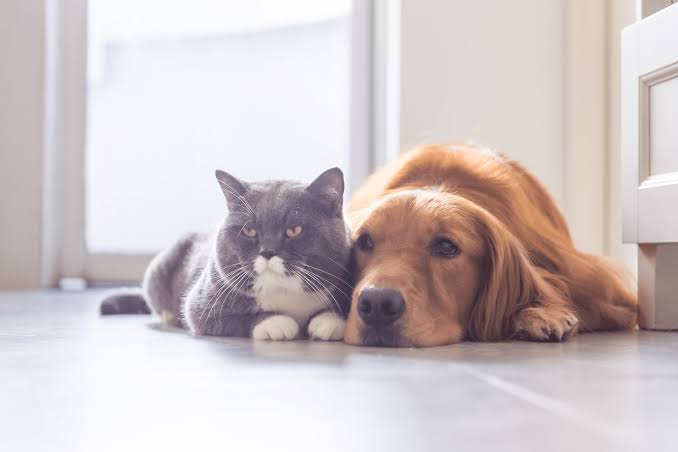
Building a Respectful Pet-Friendly Community
Living with animals in an apartment building involves cooperation between residents. Some neighbours may enjoy meeting pets, while others may be uncomfortable around certain animals or sensitive to noise.
Responsible owners can help maintain positive relationships by keeping pets under control in shared areas, cleaning up waste promptly, preventing avoidable disturbances, and following applicable building rules.
Dogs should be managed in accordance with relevant leash and control requirements. Cats and other animals should be kept in safe conditions, and owners should take reasonable steps to prevent escapes or disturbances.
Communication can also help resolve minor issues before they become serious disagreements. For example, an owner whose dog becomes distressed when left alone may need to investigate training or care arrangements if barking affects neighbouring households.
Property management arrangements may include procedures for reporting concerns or handling the use of shared facilities. Residents should understand these procedures and use them respectfully.
A pet-friendly community is not simply one in which animals are allowed. It is one where owners take responsibility for their animals while recognising the comfort, safety, and rights of other residents.
Conclusion: Choose a Home That Welcomes Responsible Pet Ownership
Finding a suitable home in Singapore involves more than identifying an attractive apartment or a convenient address. For pet owners, the decision must also account for housing regulations, interior layout, neighbourhood accessibility, maintenance requirements, and the long-term cost of animal care.
A comfortable environment can be created through thoughtful furniture placement, suitable flooring, secure windows, and practical arrangements for feeding, resting, and play. Equally important are convenient walking routes where needed, access to appropriate services, and respect for shared residential spaces.
Whether researching Linktown Residences or evaluating Lentor Signature, buyers should verify the actual property details and applicable pet rules before making a commitment. They should also consider how the home will support daily routines, changing household circumstances, and responsible care over the years ahead.
Ultimately, a pet-friendly home is defined by more than space or appearance. It is an environment where animals can be cared for safely, owners can manage their responsibilities comfortably, and neighbours can share the surrounding community with mutual respect. With careful research and realistic planning, choosing a property can become a more informed and positive experience for every member of the household.
 Planning Household Storage for Long-Term Homeownership in Singapore
 Making a Residential Property Search More Practical in Singapore
 Turning Weekends Into Quality Time: Choosing a Singapore Home for Leisure
 What Makes a Residential Community Attractive to Professionals
 MCST Maintenance Fees, Strata Sinking Funds, and Holding Cost Optimization in Singapore Real Estate
 Solano Grand and Wynwood Grand: How to Avoid Overthinking in Property Buying
 The Pet-Friendly Home: What Singapore Residents Should Consider Before Choosing a Property
 How Singapore Condo Buyers Can Think About Privacy and Personal Space